Published on
- 3 min read
FOMC June Meeting: What the Fed Decision Means for Your Money
1. The Rate Decision Itself
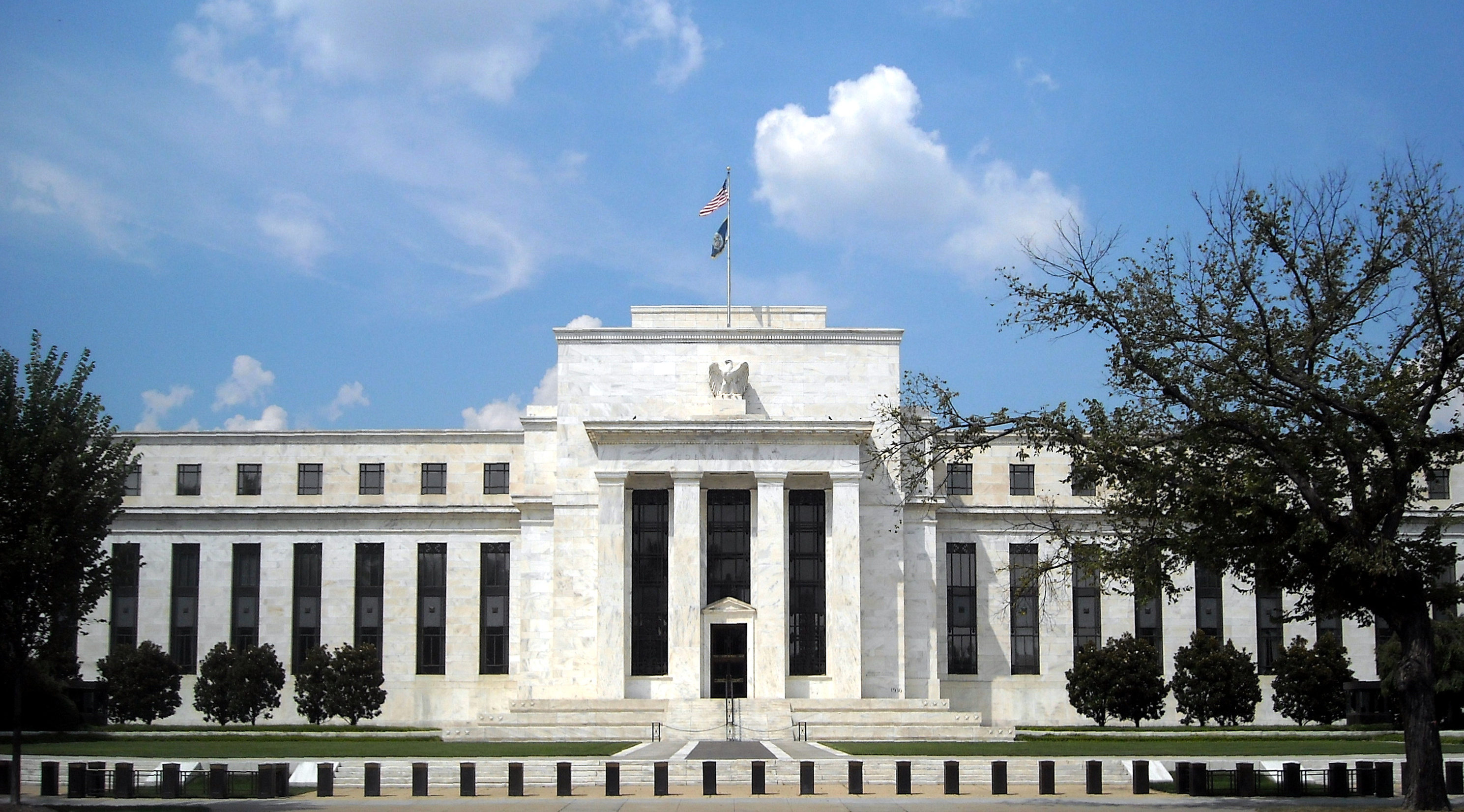
The Federal Open Market Committee sets a target range for the federal funds rate, which is the rate banks charge each other overnight. That rate does not touch your life directly, but it influences nearly every interest rate you do pay or earn. If the Fed holds, as expected, your mortgage rate, auto loan rate, credit card APR, savings APY, and CD rate are all likely to hold near current levels for the next six to eight weeks. The consensus among economists is that the Fed holds this week. CME FedWatch data shows 97%+ probability of no change.
2. The Dot Plot and the SEP
Twice a year, Fed officials publish their individual projections for where rates are headed. These projections are plotted on the famous “dot plot.” The Summary of Economic Projections, or SEP, comes out alongside the dot plot. It includes updated forecasts for GDP growth, unemployment, and inflation. The dot plot matters because it tells savers and borrowers where the Fed thinks rates are heading. If the median dot for end of 2026 jumps from two cuts to one cut, that is a real signal.
3. Press Conference Language
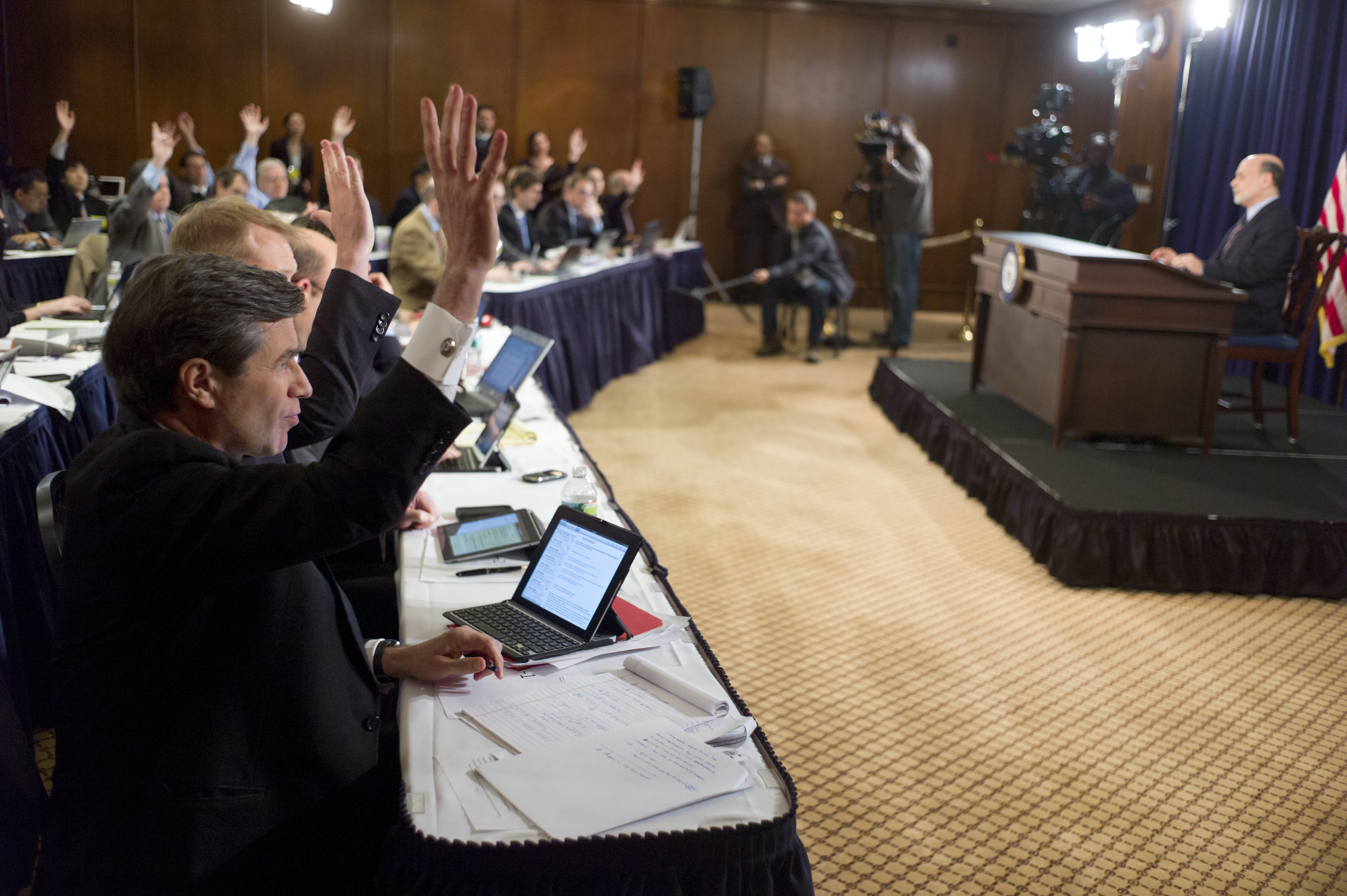
After the rate decision at 2:00 p.m. ET, Fed Chair Kevin Warsh holds a press conference at 2:30 p.m. ET. The exact wording of his opening statement, and how he answers questions, is the real signal. The language to watch for is whether the Fed drops the prior “modest easing” bias from its statement. For someone deciding whether to lock in a 5% CD today or wait for higher rates, press conference language is the most actionable information of the week.
4. Inflation and Employment Data
The Fed has a dual mandate: maximum employment and stable prices. The June meeting comes after the April CPI report showed inflation ticking up to 3.2% year-over-year, above the Fed’s 2% target. The job market remains strong with unemployment at 4.1%. These data points give the Fed cover to hold rates steady. If inflation continues to run hot, the Fed may signal fewer cuts ahead.
5. What It Means for Your Mortgage
Mortgage rates track the 10-year Treasury yield, not the fed funds rate directly. But the Fed’s outlook influences Treasury yields. If the Fed signals fewer cuts, mortgage rates could rise. If the Fed remains dovish, mortgage rates could fall. For anyone shopping for a home or considering a refinance, the June meeting could move rates by 0.125% to 0.25% within days.
6. What It Means for Your Savings
High-yield savings accounts and CDs are directly tied to the fed funds rate. If the Fed holds, expect savings APYs to stay near 5%. If the Fed eventually cuts, savings rates will follow downward. The June meeting gives savers a signal about how long the 5% environment will last. For those with cash to deploy, the meeting could be the trigger to lock in long-term CDs before rates fall.
The Bottom Line
The Fed meeting is not just news. It is a signal about the direction of interest rates for the next six to twelve months. For borrowers, it affects how much you pay. For savers, it affects how much you earn. For investors, it affects stock and bond prices. The decision itself may be a hold, but the details matter. Read the dot plot, listen to the press conference, and adjust your financial plan accordingly.
Sources: Federal Reserve FOMC Statement, April 2026; Federal Reserve Summary of Economic Projections, March 2026; CME FedWatch Tool, June 16, 2026; BLS Consumer Price Index, April 2026; Freddie Mac Primary Mortgage Market Survey, June 2026; FDIC National Rate Cap Data, June 2026.
Related Articles

High-Yield Savings Accounts: Where to Park Your Cash in 2026
A comprehensive guide to understanding personal finance....

CD Laddering Strategy: Lock In High Rates Without Locking Up All Your Cash
A comprehensive guide to understanding personal finance....

FOMC Hawkish Pivot: What a Rate Hike Would Mean for Your Money
A comprehensive guide to understanding personal finance....