Published on
- 3 min read
Buy Now, Pay Later: The Debt Trap Disguised as Convenience
Why 2026 Is the Priciest Summer Yet
Three forces are converging on your utility bill this year. First, electricity rates themselves keep climbing. According to the U.S. Energy Information Administration, residential electricity prices have risen from 12.76 cents per kilowatt-hour in 2020 to 17.44 cents per kWh in February 2026 a 36 percent increase. Second, the grid is older than most of the appliances running on it. Roughly 70 percent of the U.S. transmission grid is more than 25 years old, and utilities are passing the cost of upgrades directly to ratepayers. Third, weather is getting hotter for longer. The 2026 forecasts point to above-normal temperatures across most of the country, especially the Mountain West, the South Atlantic, and the South Central region.
The 30 Percent Reduction Plan
You do not need to replace your air conditioner or install solar panels to see real savings. The Department of Energy estimates that homeowners who combine the following strategies can cut cooling costs by 20 to 50 percent without sacrificing comfort.
1. The Thermostat Reset ($180+/year)
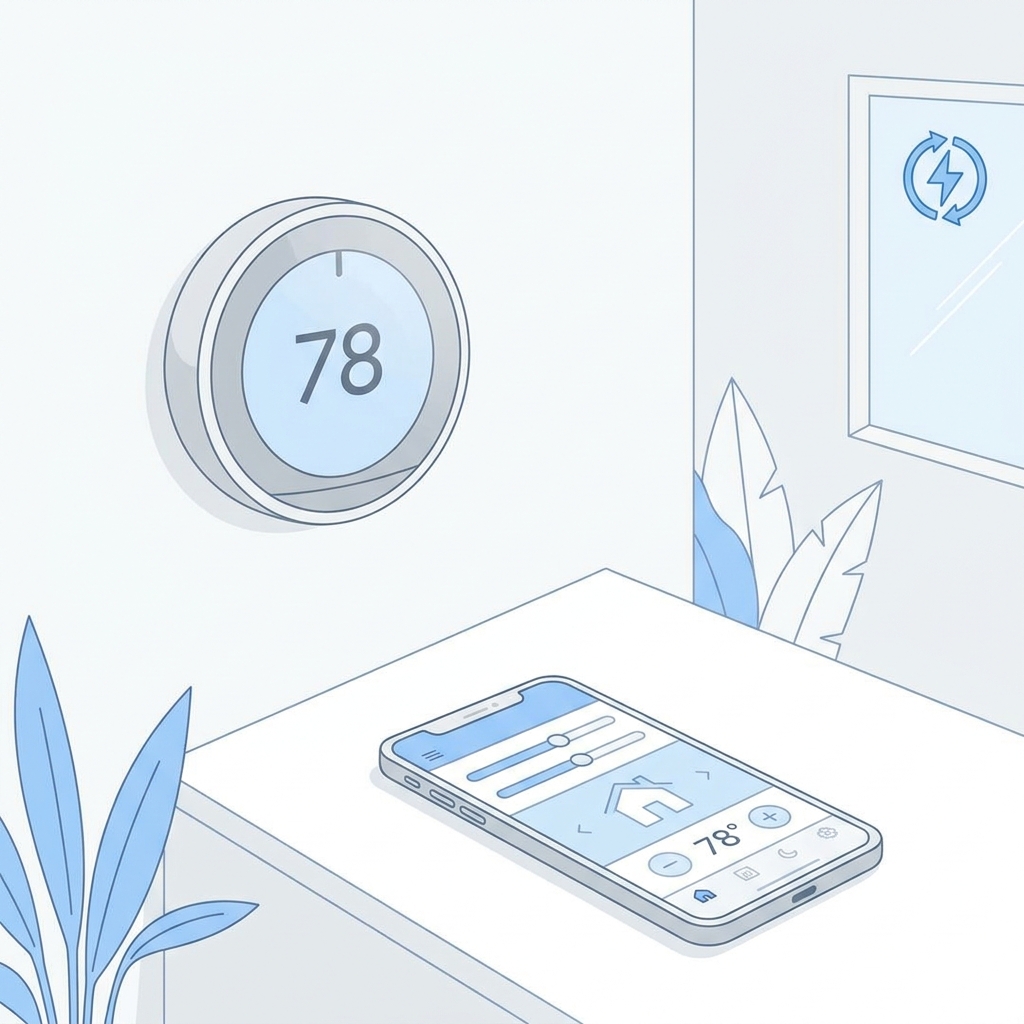
The single biggest lever. Set your thermostat to 78 degrees F when you are home, 85 degrees F when you are away, and let it drift up a few degrees at night. Each degree below 78 degrees F costs about 3 to 5 percent more in cooling. A programmable or smart thermostat automates this for you and typically pays for itself in the first summer Energy Star estimates average savings of $100 to $180 per year.
2. The HVAC Tune-Up ($200-400/year in avoided costs)
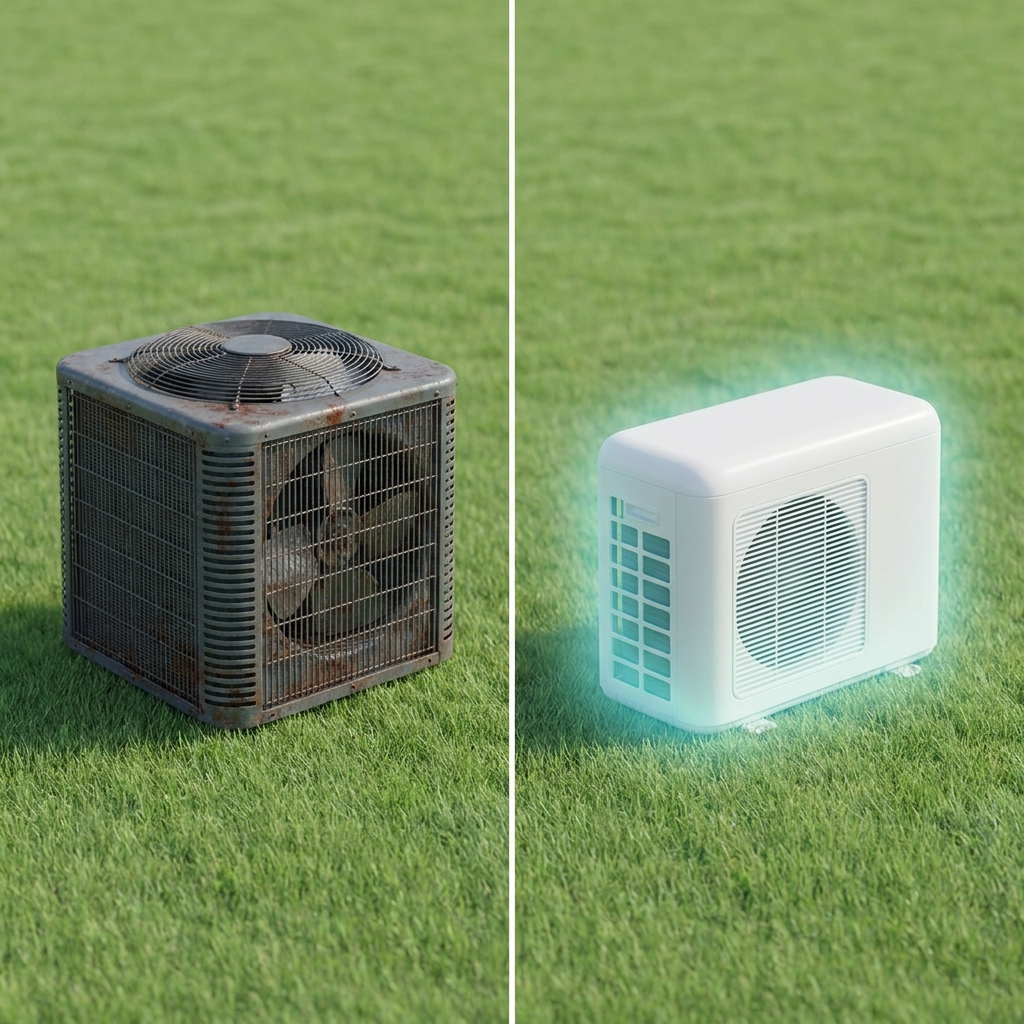
A pre-summer service call ($75-150) catches low refrigerant, dirty coils, and airflow blockages before they force your system to work harder. A well-maintained AC unit uses 5 to 15 percent less electricity than a neglected one.
3. The Fan Strategy ($50-100/year)
Ceiling fans do not lower room temperature, but they make you feel 4 degrees F cooler through wind-chill effect. That means you can raise the thermostat 4 degrees F without noticing. A ceiling fan costs about 1 cent per hour to run. An AC unit costs 30 to 50 cents per hour. The math is obvious.
4. Window and Insulation Fixes ($100-300/year)
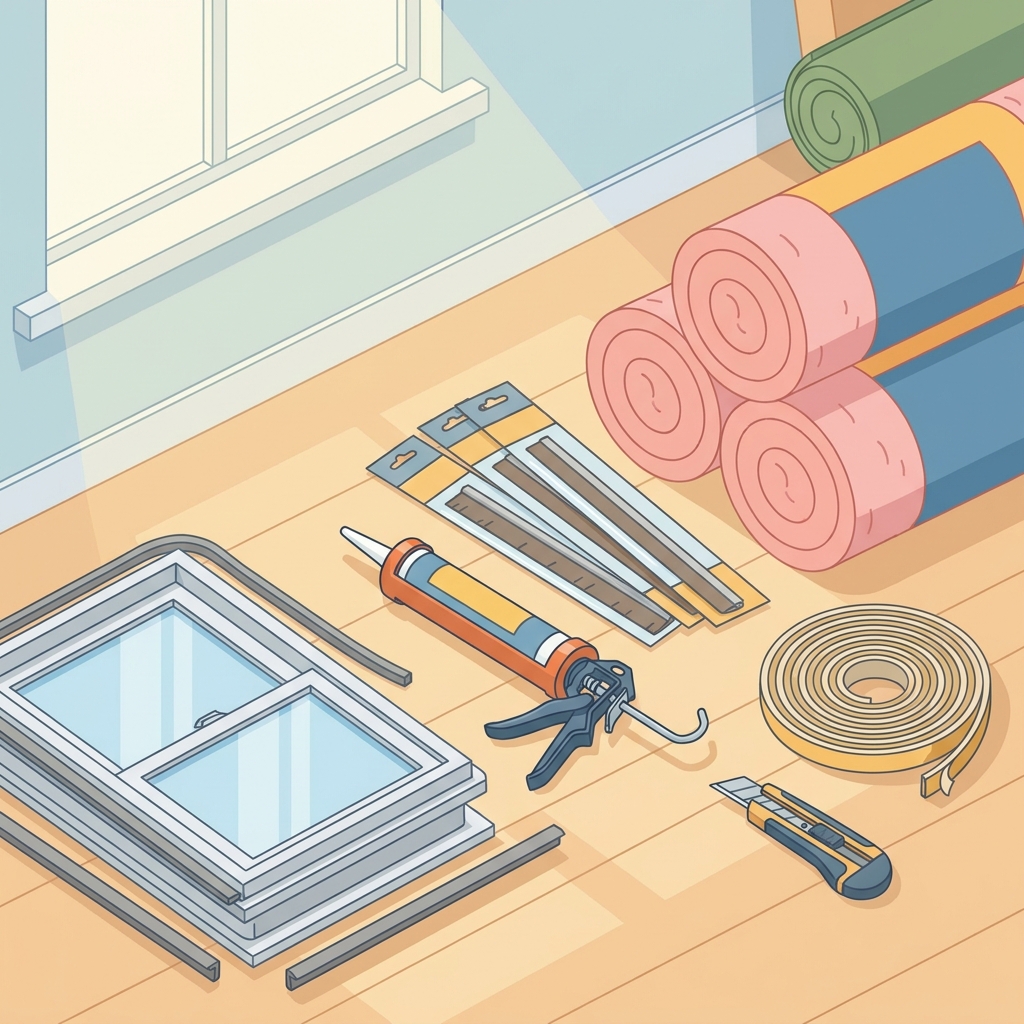
Close blinds and curtains on south- and west-facing windows during the day. Use blackout curtains if possible. Seal gaps around windows and doors with weatherstripping. If your attic insulation is below R-38, adding more can reduce cooling costs by 10 to 20 percent.
Utility Programs and Assistance
Most utilities offer free or subsidized home energy audits that identify the biggest leaks in your home. Some also offer rebates for smart thermostats, LED bulbs, and efficient appliances. For low-income households, the Low Income Home Energy Assistance Program (LIHEAP) provides direct bill payment assistance. In 2026, LIHEAP funding has been reduced, so apply early if you qualify.
The Bottom Line
The average summer electric bill is projected to hit $792 in 2026, up 10.5 percent from last year. But you do not have to pay the average. A combination of thermostat discipline, HVAC maintenance, fan use, and simple home sealing can cut your bill by 30 percent or more. The best time to act is before the first heat wave hits. Once the temperature spikes, the savings strategies feel like sacrifices. In June, they just feel like smart planning.
Sources: National Energy Assistance Directors Association (NEADA) 2026 summer outlook; U.S. Energy Information Administration (EIA) Electric Power Monthly, Feb 2026; Department of Energy Energy Saver program; ENERGY STAR savings calculators; LIHEAP program data, U.S. Department of Health and Human Services.